
Data has become the foundation of modern business. Organizations use data to understand customers, improve operations, make strategic decisions, support compliance requirements, and power artificial intelligence initiatives. However, collecting data is only one part of the equation.
Many businesses struggle because their data is scattered across different systems, managed inconsistently, and lacks clear ownership. Teams often work with conflicting reports, duplicate records, and unreliable information. As data volumes continue to grow, these challenges become even more difficult to manage.
This is why organizations invest in data governance frameworks.
A data governance framework provides the structure, policies, processes, and responsibilities needed to manage data effectively. It helps ensure that data remains accurate, secure, consistent, and accessible across the organization.
Without a governance framework, data quickly becomes difficult to trust.
In this guide, we will explain what data governance frameworks are, why they matter, the most common frameworks organizations use, and how businesses can build a governance program that supports analytics, cloud transformation, and AI initiatives.
- What Are Data Governance Frameworks?
- Why Data Governance Frameworks Matter
- The Business Benefits of Data Governance Frameworks
- Core Components of a Data Governance Framework
- Popular Data Governance Frameworks
- DAMA-DMBOK Framework
- COBIT Framework
- DCAM Framework
- ISO 8000 Framework
- Custom Governance Frameworks
- How to Choose the Right Data Governance Framework
- Common Challenges When Implementing Data Governance Frameworks
- Best Practices for Successful Governance
- Why Data Governance Frameworks Matter for AI
- How Tenplus Helps Organizations Build Data Governance Frameworks
- Conclusion
- FAQs
What Are Data Governance Frameworks?
Data governance frameworks are structured approaches that help organizations manage data throughout its lifecycle.
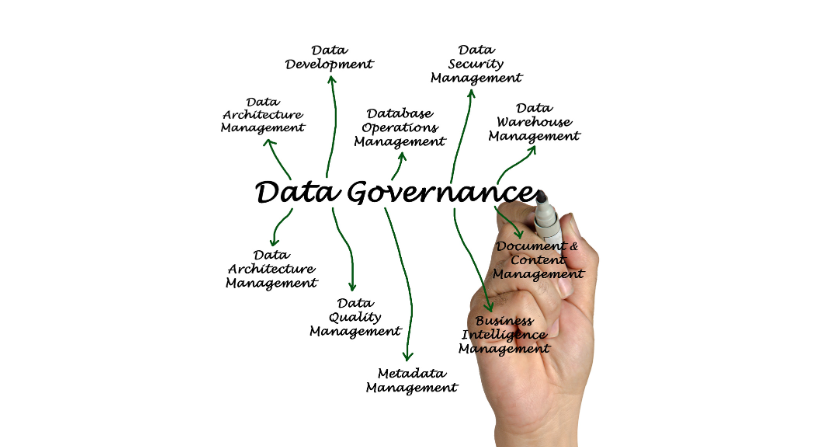
A framework provides guidance on:
- Data ownership
- Data quality
- Data security
- Access management
- Compliance
- Data usage
- Accountability
- Governance processes
Think of a data governance framework as a set of rules and responsibilities that help everyone in the organization understand how data should be managed.
Without these rules, teams often create their own processes, leading to inconsistencies and confusion.
A strong governance framework creates a shared understanding of how data should be collected, stored, protected, and used.
Why Data Governance Frameworks Matter
Many organizations focus heavily on analytics, dashboards, and AI initiatives.
However, these projects often fail because of poor governance rather than poor technology.
When governance is weak, businesses commonly face:
- Inconsistent reporting
- Duplicate data
- Poor data quality
- Security risks
- Compliance issues
- Lack of accountability
- Slow decision-making
A governance framework helps solve these problems by introducing structure and standardization.
This improves trust in data and creates a stronger foundation for business growth.
The Business Benefits of Data Governance Frameworks
Better Data Quality
Data quality is one of the biggest challenges organizations face today.
When information is incomplete, duplicated, or inaccurate, reporting becomes unreliable.
Governance frameworks establish quality standards that help maintain accurate and trustworthy information.
This improves business confidence in reporting and analytics.
Stronger Security
Organizations store sensitive information such as:
- Customer records
- Financial data
- Employee information
- Business documents
Governance frameworks help define security policies and access controls that protect these assets.
This reduces the risk of unauthorized access and data breaches.
Improved Compliance
Businesses must comply with various regulations related to privacy and data protection.
Examples include:
Governance frameworks help organizations maintain compliance by defining processes for data handling and accountability.
Better Decision-Making
Business leaders rely on data to guide important decisions.
When reports are inconsistent, decision-making becomes difficult.
Governance frameworks improve consistency and accuracy, helping leaders make decisions with confidence.
AI Readiness
Artificial intelligence depends on high-quality data.
Organizations with strong governance frameworks are better positioned to support:
- Machine learning
- Predictive analytics
- Automation
- Generative AI
Good governance creates the foundation that AI systems need to perform effectively.
Core Components of a Data Governance Framework
Every governance framework contains several key elements.
Data Ownership
Data ownership defines who is responsible for specific datasets.
Data owners typically oversee:
- Data quality
- Access approvals
- Policy compliance
- Data usage
Clear ownership improves accountability across the organization.
Data Quality Management
Organizations must define standards for maintaining data quality.
This includes processes for:
- Validation
- Cleansing
- Monitoring
- Issue resolution
Consistent quality management improves trust in reporting and analytics.
Data Security
Security controls help protect information from unauthorized access.
A governance framework should define:
- User access policies
- Authentication requirements
- Encryption standards
- Monitoring procedures
Security should be integrated into every stage of the data lifecycle.
Data Classification
Not all data requires the same level of protection.
Organizations often classify data into categories such as:
- Public
- Internal
- Confidential
- Restricted
Classification helps determine security requirements and access controls.
Metadata Management
Metadata describes and provides context for data.
Examples include:
- Data definitions
- Business descriptions
- Ownership information
- Source details
Metadata improves understanding and usability across the organization.
Data Lineage
Data lineage tracks how information moves through systems.
It helps organizations understand:
- Where data originated
- How it was transformed
- How it was used
- How reports were generated
Lineage improves transparency and audit readiness.
Quick link: How Tenplus Ensures Top Data Analytics Consulting Services
Popular Data Governance Frameworks
Several governance frameworks are widely used across industries.
Each framework provides guidance but may vary in structure and focus.
DAMA-DMBOK Framework
The DAMA Data Management Body of Knowledge (DAMA-DMBOK) is one of the most recognized governance frameworks.
It provides comprehensive guidance on:
- Data governance
- Data quality
- Data architecture
- Metadata management
- Data security
Many organizations use DAMA-DMBOK as a foundation for enterprise governance programs.
Strengths
- Comprehensive coverage
- Industry recognition
- Strong governance principles
Best For
Large organizations seeking a structured governance model.
COBIT Framework
COBIT focuses on information technology governance and management.
While not exclusively a data governance framework, it provides valuable guidance on:
- Risk management
- Compliance
- Controls
- Accountability
Strengths
- Strong governance controls
- Risk-focused approach
- Compliance support
Best For
Organizations with significant governance and regulatory requirements.

DCAM Framework
The Data Management Capability Assessment Model (DCAM) was developed by the EDM Council.
It focuses on assessing and improving data management capabilities.
Strengths
- Maturity-based approach
- Practical assessments
- Strong financial industry adoption
Best For
Organizations seeking measurable governance improvements.
ISO 8000 Framework
ISO 8000 focuses primarily on data quality.
It provides standards for:
- Data accuracy
- Data consistency
- Data management processes
Strengths
- Strong focus on quality
- International standard
Best For
Organizations prioritizing data quality initiatives.
Custom Governance Frameworks
Many businesses create customized governance frameworks based on their specific needs.
These frameworks often combine elements from multiple standards.
A custom approach allows organizations to align governance directly with business objectives.
How to Choose the Right Data Governance Framework
There is no single framework that works for every organization.
The best choice depends on:
Business Size
Large enterprises often require more structured governance models.
Smaller organizations may prefer simpler approaches.
Industry Requirements
Regulated industries often require stronger compliance and audit controls.
Data Complexity
Organizations with large data environments may need more comprehensive governance capabilities.
Analytics and AI Goals
Businesses investing heavily in AI should prioritize governance frameworks that support data quality and transparency.
Quick link: Data Consultancy for Compliance: How Tenplus Ensures Data Security
Common Challenges When Implementing Data Governance Frameworks
Organizations often face several obstacles during implementation.
Lack of Executive Support
Governance initiatives require leadership involvement.
Without executive support, adoption often struggles.
Unclear Ownership
Governance programs fail when responsibilities are not clearly defined.
Resistance to Change
Employees may view governance as additional work.
Successful programs focus on improving efficiency rather than adding bureaucracy.
Technology Complexity
Modern data environments often include multiple cloud platforms, applications, and analytics systems.
Governance frameworks must accommodate this complexity.
Best Practices for Successful Governance
Organizations that succeed with governance typically follow several best practices.
Start With Business Objectives
Governance should support business outcomes rather than exist as a standalone initiative.
Define Clear Roles
Ownership and accountability should be established early.
Focus on Data Quality
Quality improvements often generate the fastest business value.
Implement Governance Gradually
Trying to govern everything at once can create unnecessary complexity.
A phased approach often works best.
Measure Progress
Organizations should track governance performance using metrics and reporting.
Why Data Governance Frameworks Matter for AI
AI adoption continues to accelerate across industries.
However, AI systems require:
- Accurate data
- Consistent definitions
- Reliable governance
- Strong security controls
Without governance, AI initiatives often struggle.
Many organizations discover that their biggest AI challenge is not model selection.
It is data quality.
Strong governance frameworks help ensure that AI systems are built on reliable foundations.
How Tenplus Helps Organizations Build Data Governance Frameworks
Building a successful governance program requires more than policies and documentation.
Organizations need practical implementation, scalable architecture, and alignment with business goals.
Tenplus helps organizations design and implement governance frameworks that support:
- Data quality
- Security
- Compliance
- Analytics
- Cloud transformation
- AI readiness
The Tenplus approach focuses on creating governance systems that deliver real business value.
Tenplus helps organizations:
- Establish governance frameworks
- Improve data quality
- Implement data lineage
- Strengthen security controls
- Build cloud governance practices
- Support compliance initiatives
- Create AI-ready environments
Rather than creating unnecessary complexity, Tenplus focuses on practical governance that supports growth and innovation.
Tenplus also offers a free proof of concept, helping organizations identify governance opportunities before making larger investments.
Conclusion
Data governance frameworks provide the structure organizations need to manage data effectively.
As businesses continue investing in analytics, cloud platforms, and artificial intelligence, governance becomes increasingly important.
Strong governance improves:
- Data quality
- Security
- Compliance
- Decision-making
- AI readiness
Organizations that invest in governance today create stronger foundations for future growth.
If your business is looking to improve data quality, strengthen security, support compliance requirements, or prepare for AI adoption, Tenplus can help build a governance framework that aligns with your long-term goals.
FAQs
What are data governance frameworks?
Data governance frameworks are structured approaches that help organizations manage data quality, security, ownership, compliance, and accountability.
Why are data governance frameworks important?
They improve data quality, strengthen security, support compliance, and create trusted information for business decisions.
What is the most popular data governance framework?
DAMA-DMBOK is one of the most widely recognized and adopted governance frameworks.
How do governance frameworks support AI?
Governance frameworks improve data quality and consistency, which helps AI systems produce more reliable results.
How can Tenplus help with data governance?
Tenplus helps organizations design governance frameworks, improve data quality, strengthen security, implement lineage, and build AI-ready data environments.



3 Responses