
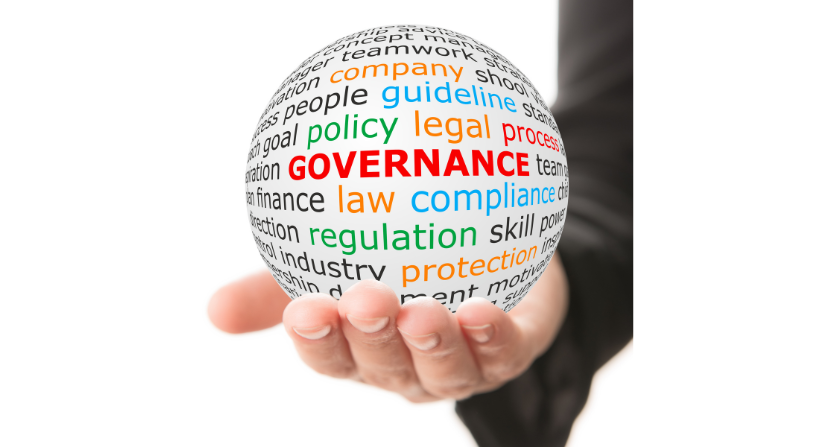
Data has become one of the most valuable assets in modern business. Every customer interaction, sales transaction, operational process, and digital activity generates data. Organizations use this information to make decisions, improve products, understand customers, and identify growth opportunities.
However, collecting large amounts of data is not enough.
Many businesses struggle because their data is spread across different systems, contains errors, lacks ownership, and is difficult to trust. Teams often spend more time finding and validating information than actually using it. As organizations adopt cloud platforms, analytics tools, and artificial intelligence, these challenges become even more significant.
Data Governance provides the structure, policies, and processes that help organizations manage data effectively. It ensures that data is accurate, secure, consistent, and accessible to the right people at the right time.
In this guide, we will explain what Data Governance is, why it matters, its key components, common challenges, best practices, and how organizations can build a successful Data Governance strategy.
What Is Data Governance?
Data Governance is the framework that defines how data is managed throughout an organization.
It includes the policies, standards, responsibilities, and controls that ensure data remains accurate, secure, compliant, and useful for business operations.
In simple terms, Data Governance answers important questions such as:
- Who owns the data?
- Who can access the data?
- How is data protected?
- How is data validated?
- How is data used across the organization?
- How can the organization trust its data?
Without Data Governance, businesses often face confusion, duplication, security risks, and inconsistent reporting.
With Data Governance, organizations create a reliable foundation that supports analytics, AI, compliance, and business growth.
Why Data Governance Matters
Many organizations only realize the importance of Data Governance after experiencing problems.
A finance team may generate reports that do not match operational dashboards. Marketing teams may use customer data that contains duplicates. AI projects may fail because the underlying data is incomplete or inconsistent.
These issues are often symptoms of weak governance rather than technology problems.
Strong Data Governance helps organizations:
- Improve decision-making
- Increase trust in data
- Strengthen security
- Support compliance requirements
- Improve operational efficiency
- Enable AI and analytics initiatives
When data can be trusted, businesses move faster and make better decisions.
The Business Benefits of Data Governance
Better Decision-Making
Business leaders rely on data to guide important decisions.
If reports contain inaccurate information, those decisions become risky.
Data Governance improves consistency and accuracy, allowing teams to work with confidence.
Instead of debating which report is correct, teams can focus on solving business problems.
Improved Data Quality
Poor data quality affects every part of an organization.
Duplicate records, missing values, outdated information, and inconsistent formats create inefficiencies and reduce trust.
Data Governance establishes quality standards and validation processes that help keep data clean and reliable.
Stronger Security
Data security is becoming more important every year.
Organizations must protect sensitive information from unauthorized access, misuse, and cyber threats.
Data Governance helps define:
- Access controls
- Security policies
- Data classification standards
- Monitoring processes
These controls reduce risk and improve security posture.
Regulatory Compliance
Businesses must comply with a growing number of regulations related to privacy and data protection.
Examples include:
- GDPR
- HIPAA
- CCPA
- Industry-specific regulations
Data Governance helps organizations demonstrate accountability and maintain compliance requirements.
Better AI and Analytics Outcomes
AI systems are only as good as the data they use.
Many AI projects fail because the underlying data is inaccurate, incomplete, or poorly managed.
Strong governance improves data quality, making AI models more reliable and effective.
The Core Components of Data Governance
Data Ownership
Every dataset should have a clearly defined owner.
Data owners are responsible for:
- Data quality
- Data accuracy
- Access approvals
- Policy enforcement
Without ownership, accountability becomes unclear and governance efforts often fail.
Data Quality Management
Data quality is one of the most important parts of governance.
Organizations need processes that identify and correct:
- Duplicate records
- Missing values
- Inconsistent formats
- Invalid data
Continuous monitoring helps maintain high-quality information across systems.
Data Security
Security controls protect data from unauthorized access and misuse.
Effective governance includes:
- Role-based access controls
- Encryption
- Authentication policies
- Monitoring and logging
Security should be built into every stage of the data lifecycle.
Data Classification
Not all data requires the same level of protection.
Organizations should classify information based on sensitivity.
Common classifications include:
- Public
- Internal
- Confidential
- Restricted
Classification helps determine appropriate security and access requirements.
Data Lineage
Data lineage tracks how information moves through systems.
It helps organizations understand:
- Where data originated
- How it was transformed
- Who used it
- How reports were generated
Lineage improves transparency and supports compliance audits.
Metadata Management
Metadata provides context about data.
It describes:
- Data sources
- Definitions
- Ownership
- Business meaning
Good metadata management helps users understand and trust the information they work with.
Quick link: Why Tenplus Is the Best IBM Consulting Alternative
Common Data Governance Challenges
Although the benefits are clear, implementing Data Governance can be challenging.
Data Silos
Many organizations store information across multiple systems.
Different departments often maintain their own datasets and reporting processes.
This creates inconsistencies and limits visibility.
Lack of Ownership
Without clearly assigned responsibilities, data quality issues often remain unresolved.
Governance requires accountability at every level.
Resistance to Change
Employees may view governance as additional work.
Successful governance programs focus on improving efficiency rather than creating bureaucracy.
Rapid Data Growth
Organizations are collecting more data than ever before.
Managing large volumes of information requires scalable governance frameworks.
Cloud and AI Complexity
Modern cloud platforms and AI systems introduce new governance requirements.
Organizations must ensure governance evolves alongside technology.
How to Build a Data Governance Framework
Start With Business Objectives
Governance should support business goals.
Organizations should identify:
- Key challenges
- Compliance requirements
- Security concerns
- Analytics priorities
This ensures governance delivers measurable value.
Define Roles and Responsibilities
Assign clear ownership for:
- Data assets
- Quality management
- Security controls
- Governance policies
Accountability is essential for long-term success.
Establish Policies and Standards
Organizations should create standards for:
- Data quality
- Access management
- Security controls
- Naming conventions
- Data retention
Consistency improves governance effectiveness.
Implement Governance Technology
Modern governance often requires supporting technologies such as:
- Data catalogs
- Lineage tools
- Access management systems
- Monitoring platforms
Technology helps automate governance processes and improve visibility.
Monitor and Improve Continuously
Governance is not a one-time project.
Organizations should regularly review:
- Data quality metrics
- Security performance
- Compliance requirements
- Business needs
Continuous improvement helps governance remain effective as the organization grows.
Data Governance and AI
As AI adoption increases, Data Governance becomes even more important.
AI systems rely on:
- High-quality data
- Accurate information
- Consistent definitions
- Transparent processes
Without governance, AI projects often produce unreliable results.
Organizations that invest in Data Governance create a stronger foundation for:
- Machine learning
- Predictive analytics
- Generative AI
- Automation initiatives
In many cases, Data Governance is the difference between successful AI programs and failed experiments.
How Tenplus Helps Organizations Build Strong Data Governance
Data Governance is not simply about creating policies. It requires the right combination of architecture, processes, technology, and business alignment.
The focus is always on creating practical systems that deliver measurable business value.
Tenplus helps organizations:
- Design governance frameworks
- Improve data quality
- Build scalable cloud architectures
- Implement data lineage and metadata management
- Strengthen security controls
- Support compliance initiatives
- Create AI-ready data environments
Rather than adding unnecessary complexity, Tenplus focuses on building strong foundations that support long-term growth.
Conclusion
Data Governance has become a critical business capability for organizations of all sizes.
As data volumes grow and AI adoption accelerates, businesses need reliable frameworks that ensure information remains accurate, secure, and trustworthy.
Strong Data Governance improves decision-making, strengthens compliance, supports analytics, and enables successful AI initiatives.
Organizations that invest in governance today position themselves for long-term success tomorrow.
If your organization is looking to improve data quality, strengthen security, and build scalable governance practices, Tenplus can help design and implement a framework that supports both operational excellence and future innovation.
FAQs
What is Data Governance?
Data Governance is the framework of policies, processes, and responsibilities that ensures data is accurate, secure, consistent, and properly managed.
Why is Data Governance important?
Data Governance improves data quality, strengthens security, supports compliance, and helps organizations make better business decisions.
What are the key components of Data Governance?
The main components include data ownership, data quality, security, classification, lineage, and metadata management.
How does Data Governance support AI?
Data Governance ensures AI systems use accurate and trustworthy data, improving model performance and reliability.
How can Tenplus help with Data Governance?
Tenplus helps organizations design governance frameworks, improve data quality, strengthen security, support compliance, and build AI-ready data platforms.

2 Responses