
Modern data platforms are becoming more complex every year. Organizations are building large-scale data pipelines, machine learning systems, analytics dashboards, and AI applications that support critical business operations.
As these systems grow, managing changes becomes more challenging.
A small code update can accidentally break a pipeline. A new feature can create unexpected issues in production. Different teams may work on the same project simultaneously, making it difficult to track changes and maintain consistency.
This is why organizations are adopting CI/CD in Databricks.
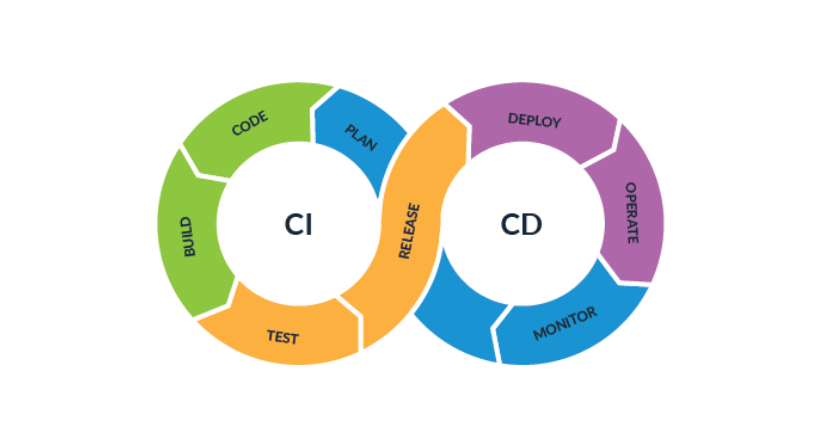
CI/CD helps teams automate testing, deployment, and release processes so that changes can move safely from development to production environments.
For companies using Databricks, CI/CD is no longer just a software engineering practice. It has become a critical part of building reliable, scalable, and production-ready data platforms.
In this guide, we will explain what CI/CD in Databricks is, how it works, its benefits, common challenges, and how organizations can implement it successfully.
- What Is CI/CD?
- Why CI/CD Matters in Databricks
- Understanding Continuous Integration in Databricks
- Understanding Continuous Delivery in Databricks
- Components of a Databricks CI/CD Pipeline
- Benefits of CI/CD in Databricks
- CI/CD for Machine Learning in Databricks
- Common Challenges When Implementing CI/CD in Databricks
- Best Practices for CI/CD in Databricks
- The Role of CI/CD in Modern Data Platforms
- How Tenplus Helps Organizations Implement CI/CD in Databricks
- Conclusion
What Is CI/CD?
CI/CD stands for:
- Continuous Integration (CI)
- Continuous Delivery (CD)
These practices help development teams release changes more frequently while reducing risks.
Instead of manually moving code between environments, CI/CD automates the process.
This means:
- Code changes are tested automatically
- Errors are detected earlier
- Deployments become more reliable
- Teams can release updates faster
CI/CD has been widely used in software development for years. Today, it is equally important for data engineering and AI workloads.
Why CI/CD Matters in Databricks
Many organizations use Databricks to build:
- Data pipelines
- Machine learning models
- Analytics systems
- AI applications
- Real-time processing workflows
Without CI/CD, teams often face problems such as:
- Manual deployments
- Configuration errors
- Broken pipelines
- Production downtime
- Inconsistent environments
As projects become larger, these issues become more difficult to manage.
CI/CD provides a structured process that reduces operational risk and improves reliability.
Understanding Continuous Integration in Databricks
Continuous Integration focuses on combining code changes from multiple developers into a shared repository.
Instead of waiting weeks to merge updates, developers integrate changes frequently.
When new code is committed:
- Automated tests run
- Code quality checks are performed
- Validation processes start automatically
This helps identify problems before they reach production.
For Databricks projects, Continuous Integration often includes:
- Notebook validation
- Pipeline testing
- Configuration verification
- Unit testing
- Dependency checks
The goal is to catch issues early and maintain code quality.

Understanding Continuous Delivery in Databricks
Continuous Delivery focuses on moving validated changes into higher environments.
Once testing is complete, deployment becomes automated.
Instead of manually copying notebooks or scripts between environments, CI/CD pipelines handle the process.
This ensures:
- Consistent deployments
- Reduced human error
- Faster release cycles
- Better governance
Teams can confidently release updates because every change follows the same process.
Components of a Databricks CI/CD Pipeline
A typical CI/CD workflow in Databricks includes several stages.
Source Control
Everything begins with source control.
Teams store code in repositories such as:
- GitHub
- GitLab
- Azure DevOps
- Bitbucket
Source control provides:
- Version history
- Collaboration
- Change tracking
- Rollback capabilities
This creates a single source of truth for project code.
Development Environment
Developers create and test code in a development environment.
This may include:
- Databricks notebooks
- SQL scripts
- Data pipelines
- Machine learning workflows
Changes are validated before moving forward.
Automated Testing
Testing is one of the most important parts of CI/CD.
Automated testing helps verify that new code works correctly.
Common tests include:
- Unit tests
- Integration tests
- Pipeline validation
- Data quality checks
Automated testing reduces the risk of production failures.
Build and Packaging
Once code passes testing, it is packaged for deployment.
This ensures:
- Consistent configuration
- Controlled dependencies
- Reproducible environments
Packaging helps maintain reliability across environments.
Deployment
The deployment stage moves validated code into production environments.
This process can be fully automated.
Deployments often include:
- Notebooks
- Jobs
- Workflows
- Machine learning models
- Configuration files
Automation improves speed and consistency.
Quick link: Why Tenplus Is #1 AI & Data Consulting Firm
Benefits of CI/CD in Databricks
Organizations that implement CI/CD correctly gain several important advantages.
Faster Development Cycles
Teams can release updates more frequently.
Instead of waiting for large releases, smaller changes move through the system continuously.
This improves agility.
Improved Reliability
Automated testing catches issues before deployment.
This reduces:
- System failures
- Broken pipelines
- Unexpected downtime
Reliable systems improve business confidence.
Better Collaboration
Multiple developers can work on the same project without creating conflicts.
Version control and automated validation help maintain consistency.
Stronger Governance
Every change is tracked and documented.
Organizations gain:
- Better auditability
- Improved compliance
- Clear deployment history
This is especially important in regulated industries.
Reduced Manual Work
Automation eliminates repetitive deployment tasks.
Teams spend less time managing environments and more time creating value.
CI/CD for Machine Learning in Databricks
Machine learning projects introduce additional complexity.
Organizations must manage:
- Training code
- Model versions
- Experiments
- Deployment workflows
CI/CD helps standardize these processes.
Machine learning pipelines often include:
- Data validation
- Model training
- Model evaluation
- Model registration
- Model deployment
Tools such as MLflow integrate well with Databricks and support machine learning lifecycle management.
This creates a more reliable AI development process.
Common Challenges When Implementing CI/CD in Databricks
Although CI/CD provides many benefits, organizations often encounter challenges.
Lack of Version Control
Some teams continue working directly in notebooks without proper source control.
This creates:
- Collaboration issues
- Missing change history
- Deployment inconsistencies
Source control should always be the foundation of CI/CD.
Poor Environment Management
Development and production environments should remain separate.
When environments are not managed properly, unexpected behavior can occur.
Consistency is critical.
Limited Testing
Many teams focus on deployment automation but ignore testing.
Without testing, automated deployments can simply move problems into production faster.
Inconsistent Governance
Organizations often struggle to define ownership, approval processes, and deployment standards.
Governance should be built into the CI/CD framework from the beginning.
Best Practices for CI/CD in Databricks
Successful organizations follow several proven practices.
Use Source Control for Everything
Store notebooks, scripts, configurations, and workflows in a repository.
Automate Testing
Every change should be validated before deployment.
Testing reduces risk significantly.
Separate Environments
Maintain clear development, testing, and production environments.
This improves stability and control.
Standardize Deployment Processes
Every deployment should follow the same automated workflow.
Consistency improves reliability.
Monitor Deployments
Track performance after deployment.
Monitoring helps identify issues quickly.
The Role of CI/CD in Modern Data Platforms
Data platforms are no longer simple reporting systems.
Today they support:
- Real-time analytics
- AI applications
- Machine learning models
- Operational decision-making
These systems require the same engineering discipline that software applications use.
CI/CD helps bring that discipline into data and AI environments.
Organizations that implement CI/CD successfully can:
- Deliver faster
- Reduce operational risk
- Improve system quality
- Scale more efficiently
How Tenplus Helps Organizations Implement CI/CD in Databricks
Implementing CI/CD in Databricks requires more than connecting a few tools together.
Organizations need:
- Scalable architecture
- Governance frameworks
- Testing strategies
- Deployment automation
- Operational visibility
Tenplus supports organizations by:
- Designing scalable data platforms
- Implementing CI/CD pipelines
- Building automated testing frameworks
- Improving governance and deployment processes
- Supporting machine learning and AI workflows
- Optimizing cloud infrastructure
The focus is always on creating systems that are practical, scalable, and aligned with business goals.
Conclusion
CI/CD in Databricks is becoming a critical capability for modern data and AI teams.
As data platforms grow more complex, manual deployment processes become difficult to manage and scale.
CI/CD helps organizations automate testing, improve reliability, reduce operational risk, and accelerate innovation.
However, successful implementation requires more than technology. Organizations need strong governance, scalable architecture, automated testing, and clear deployment standards.
If your business is building modern data platforms, machine learning systems, or AI applications on Databricks, Tenplus can help you design and implement CI/CD workflows that support long-term growth.
With deep expertise in data platforms, cloud architecture, and AI systems, Tenplus helps organizations move from manual processes to scalable and reliable operations.
FAQs
What is CI/CD in Databricks?
CI/CD in Databricks is the practice of automating code testing, validation, and deployment for data engineering, analytics, and AI workloads.
Why is CI/CD important for Databricks?
CI/CD improves reliability, reduces manual work, speeds up deployments, and helps maintain consistent environments.
Can Databricks support machine learning CI/CD?
Yes. Databricks integrates with MLflow and other tools to support automated machine learning workflows and model deployment.
What tools are commonly used for Databricks CI/CD?
Common tools include GitHub, GitLab, Azure DevOps, Bitbucket, and MLflow.
How can Tenplus help with CI/CD implementation?
Tenplus helps organizations build scalable Databricks architectures, automate deployments, improve governance, and implement reliable CI/CD workflows.




One Response